
The bong is one of the most recognizable symbols in cannabis culture, yet its story stretches far beyond modern stereotypes. Long before glass shops, pop culture references, or social media trends, water pipes existed as functional tools shaped by geography, materials, and tradition. Understanding the history of bongs offers a window into how cannabis consumption evolved alongside human creativity, craftsmanship, and cultural exchange.
Today, conversations about cannabis often focus on products, legality, or lifestyle. Looking backward reminds us that cannabis tools developed organically, shaped by available resources and social customs rather than branding or trends. The bong’s journey reflects that evolution clearly.
Ancient Origins of Water Pipes
The earliest evidence of water-filtered smoking devices dates back thousands of years. Archaeological findings suggest that ancient cultures in Africa and Asia used hollowed gourds, bamboo, animal horns, and clay vessels to cool smoke through water.
In Ethiopia and parts of Central Africa, researchers have uncovered primitive water pipes believed to be used for smoking plant material. These early designs were practical rather than decorative, focusing on cooling smoke and reducing harshness rather than aesthetics.
Similarly, in ancient China, water pipes were used to consume tobacco and herbs centuries before glass became common. These devices often featured ceramic or metal components, demonstrating early experimentation with airflow and filtration. These discoveries anchor the history of bongs firmly in human innovation rather than novelty.
The Term “Bong” and Its Linguistic Roots
The word “bong” itself is widely believed to originate from the Thai word baung, which refers to a cylindrical bamboo pipe used for smoking. Bamboo’s natural hollow structure made it an ideal material for early water pipes, particularly in Southeast Asia.
As trade routes expanded and cultural exchange increased, both the object and its name traveled. European explorers and traders encountered these devices and documented them, contributing to the spread of water-pipe smoking knowledge across regions.
This linguistic evolution mirrors how cannabis culture itself spread, through shared experience, adaptation, and reinterpretation rather than centralized design.
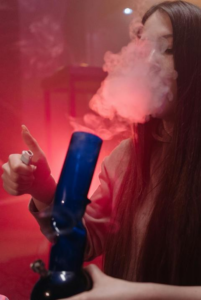
Cultural Shifts and Symbolism
As cannabis entered different societies, bongs took on new meanings. In some cultures, they remained utilitarian tools, while in others they became social or ceremonial objects. Design began to reflect identity, craftsmanship, and status.
By the mid-20th century, bongs started appearing in Western counterculture. Glassmakers experimented with form, color, and balance, transforming simple water pipes into expressive objects. This period marked a shift where function met artistry.
Modern conversations around buying cannabis often focus on flower quality or lab testing, but historically, consumption tools were equally central to the experience.
Glassblowing and the Rise of Artistic Bongs
The introduction of borosilicate glass revolutionized bong design. Heat-resistant, durable, and visually striking, this material allowed artists to push boundaries. Intricate percolators, sculpted chambers, and vibrant color work became hallmarks of high-end pieces.
Glass bongs evolved from simple tubes into functional art. Some designs prioritized airflow efficiency, while others focused on visual impact. Collectors began treating certain pieces as artwork rather than tools.
This era cemented the bong’s place in cannabis culture, not merely as a device, but as a symbol of creativity and craftsmanship. The history of bongs during this period reflects how cannabis culture matured alongside broader artistic movements.
Eccentric Innovations and Experimental Designs
Throughout history, bong makers have experimented relentlessly. Multi-chamber designs, recycler systems, and gravity-assisted concepts emerged as enthusiasts sought smoother experiences and visual flair.
Some innovations were practical, improving filtration or cooling. Others were playful or eccentric, designed to surprise or entertain. These experimental designs reflect a broader cultural curiosity surrounding cannabis and how people interact with it.
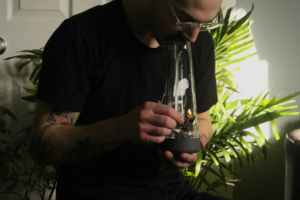
Regional Identity and Modern Perception
Bongs also developed regional identities. Certain areas became known for specific styles, materials, or techniques. These distinctions reinforced the idea that cannabis culture is not monolithic; it adapts to local values and resources.
In contemporary settings, language around cannabis often blends old and new. Terms like marijuana dispensary or Houston weed store appear alongside broader cultural references. Understanding where tools like bongs came from adds depth to those modern conversations.
Bongs in Today’s Cannabis Landscape
Today, bongs exist within a complex cannabis landscape shaped by regulation, education, and evolving norms. While consumption laws vary by state, the bong remains a recognizable cultural artifact.
Modern consumers may encounter cannabis through many entry points, such as education blogs, in-store consultations, or browsing before they shop for cannabis online in Houston. Even when bongs are not central to retail conversations, their influence on cannabis culture remains undeniable.
Why History Still Matters
Learning about the history of bongs is not about promoting a specific method of consumption. It is about understanding how cannabis culture evolved through experimentation, craftsmanship, and shared human experience.
Bongs tell a story of adaptation, how people across continents found ways to interact with plants using the materials and knowledge available to them. That story continues to influence modern cannabis discussions, even as products, laws, and preferences change.
Cannabis Culture Through a Historical Lens
Exploring cannabis history helps ground modern conversations in context. Tools like bongs remind us that cannabis culture did not emerge overnight; it developed over centuries through trial, creativity, and cultural exchange.
Whether someone is new to cannabis or deeply familiar with its evolution, understanding these origins adds perspective and respect for the culture as a whole.
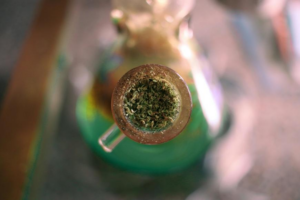
Learn More About Cannabis Culture at MadeMen Dispensary
Cannabis culture is richer when understood through history rather than hype. At MadeMen Dispensary, we focus on education, transparency, and lab-tested THCa flower that aligns with modern, informed lifestyles.
Explore cannabis culture with clarity, learn how traditions shape today’s conversations, and visit our Houston cannabis store to stay elevated with confidence and knowledge.
