
Cannabis has always carried stories that stretch beyond the plant itself. Long before legalization debates and lab reports, people passed down rituals, warnings, and strange beliefs tied to lighting up. Some were playful habits, others were taken seriously, and many still float around today. This blog dives into cannabis superstitions that have followed cannabis through generations, from old folklore to modern smoke circle rules. You may recognize a few, question others, and laugh at how these beliefs still shape cannabis culture today.
Where Cannabis Superstitions Come From
Many cannabis beliefs were born during times when the plant was misunderstood or hidden from public view. When information was limited, people relied on word of mouth, personal experiences, and cultural storytelling.
Cannabis rituals often developed in private spaces, shared among close friends. Over time, those habits turned into rules people followed without questioning why. In some cultures, cannabis was tied to spiritual practices. In others, it became part of social bonding, where etiquette mattered just as much as the experience itself.
These roots explain why cannabis superstitions still feel personal rather than scientific. They reflect community traditions more than facts.
Classic Stoner Myths You’ve Probably Heard
Some cannabis myths are nearly universal. Even people new to cannabis have likely heard at least one of these repeated with confidence.
Holding the smoke makes it stronger
One of the most common beliefs is that holding smoke longer increases the effects. This idea spread because people felt lightheaded afterward. In reality, oxygen deprivation explains that sensation. The belief stuck anyway and became a shared ritual in many circles.
First hit sets the tone
Many believe the first hit defines the entire experience. This idea encouraged careful strain choices and ceremonial lighting. Whether true or not, it created mindfulness around the moment.
You cannot get high if you are stressed
Some users believed anxiety blocked effects. This led to pre-session rituals like calming music or quiet spaces. These habits became part of cannabis culture, even when the belief itself varied person to person.
Smoke Circle Rituals and Unspoken Rules
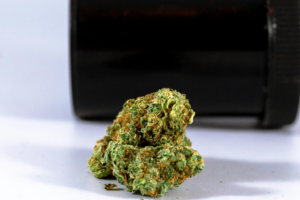
Cannabis sessions often come with etiquette that feels almost sacred.
Passing direction matters in many groups. Breaking the circle or skipping someone was seen as bad luck. Touching the joint with the wrong hand sometimes earned playful side-eyes. Even ash management carried meaning, with some believing tapping ash early ruined the session’s energy.
These rituals were never written down. They survived because they created shared respect and rhythm. In many ways, these habits reflect cannabis superstitions built around community harmony.
Folklore and Cultural Beliefs Around Cannabis
Across different regions, cannabis developed symbolic meanings.
In some traditions, cannabis smoke was believed to carry intentions upward. Lighting up before creative work was thought to invite inspiration. Others believed certain strains encouraged reflection or conversation.
Folklore often blurred cannabis with spirituality. While modern users may not frame it that way, the idea of setting intentions before smoking remains common. These beliefs helped shape how cannabis was treated with care rather than casually.
Modern Cannabis Rituals That Still Feel Superstitious
Even today, cannabis users create habits that feel ritualistic.
Cleaning the space before a session is common. Choosing a specific lighter or rolling paper can feel important. Some people refuse to light up until music is queued. Others insist on grinding the flower a certain way.
These actions offer comfort and control. They reflect how cannabis superstitions evolved into personal routines that make the experience feel intentional.
Myths About Quality and Status
Cannabis culture also created beliefs tied to quality and reputation.
The idea of top-shelf weed often goes beyond lab testing. Many people associate it with visual appeal, aroma, or word of mouth. Stories spread about legendary strains that supposedly never disappoint.
In cities like Houston, phrases like top-shelf weed became shorthand for trust. While preferences differ, the belief that certain labels guarantee satisfaction remains strong.
Cannabis Products and Misinformation
Over time, myths expanded to product types. Some believed all forms offered identical experiences. Others swore certain formats were cursed or unbeatable.
Terms like cannabis-infused products became part of the cultural conversation, even when availability differed by location or store. These ideas often came from stories shared online or between friends, not from firsthand experience.
Understanding where these beliefs come from helps separate tradition from reality.
The Role of Cannabis Stores in Shaping Beliefs
Retail environments play a role in how myths spread or fade.
A trusted cannabis store can help customers understand what matters and what does not. Clear information replaces guesswork. Staff conversations often debunk old myths while respecting cultural traditions.
In Houston, a well-informed cannabis store helps normalize education while keeping the experience approachable and human.
Shopping Habits and Modern Beliefs
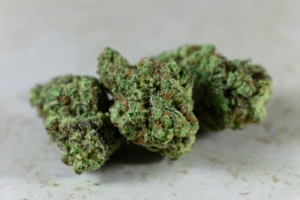
Online culture introduced new rituals. Browsing menus, reading reviews, and saving favorites became part of the experience.
Some believe timing matters when you shop for cannabis online. Others feel better shopping at night or after research sessions. In Houston, people browsing to shop cannabis online often rely on reviews and photos rather than word-of-mouth alone.
These habits show how technology reshaped cannabis traditions rather than replacing them.
Myths Around Buying Cannabis
Buying cannabis carries its own beliefs.
Some insist you must always buy the same strain. Others think switching strains brings bad luck. Many feel loyalty to a favorite location or refuse to buy cannabis anywhere unfamiliar.
Phrases like buy cannabis in Houston often reflect trust in local knowledge rather than location alone. Meanwhile, the term marijuana dispensary still appears in cultural language, even when legal structures differ by state.
These habits show how comfort and familiarity shape decisions more than facts.
Why Cannabis Superstitions Still Matter
Superstitions persist because they connect people. They create shared language, inside jokes, and traditions. Even when science offers clarity, these beliefs keep cannabis culture human.
Understanding cannabis superstitions does not mean dismissing them. It means recognizing their role in shaping how people interact, relax, and connect through cannabis.
Stay Elevated With MadeMen and Cannabis Culture
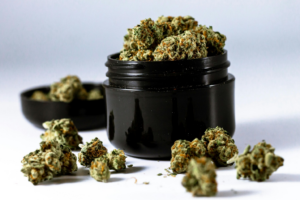
Cannabis culture is built on stories, shared rituals, and personal experiences that go far beyond the plant itself. At MadeMen Dispensary, we respect the traditions while offering clarity, transparency, and lab-tested THCa cannabis that customers can trust. Whether you enjoy learning about myths, browsing strains, or exploring cannabis culture at your own pace, we are here to keep the experience informed and approachable.
Shop now to explore our selection and stay elevated with us.
