
The hemp industry has undergone one of its most significant transformations in recent years, and THCa dispensaries are at the center of that change. What began as a relatively obscure cannabinoid discussed primarily in scientific literature has evolved into a mainstream market category that is reshaping how hemp products are sold, regulated, and experienced by consumers across the country. For buyers in Houston searching for cannabis buds, THC gummies, same day cannabis pickup, and the best THCa flower in Houston, the emergence of dedicated THCa dispensaries represents a meaningful shift in what the local and national cannabis retail landscape can offer. Understanding how THCa dispensaries rose to prominence, what drove their rapid growth, and where the category is headed provides important context for any buyer or industry observer trying to make sense of the hemp market today.
How THCa Found Its Place in the Hemp Market
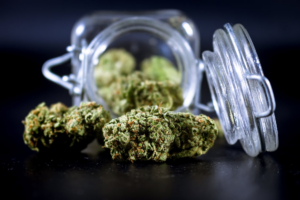
THCa occupies a unique position in the hemp regulatory framework. As the non-decarboxylated precursor to THC, it exists naturally in raw cannabis and hemp plants and remains federally compliant under the 2018 Farm Bill as long as the plant material contains less than 0.3 percent delta-9 THC by dry weight. This legal distinction created an opening in states where traditional cannabis dispensaries were not yet permitted, allowing THCa products to reach consumers through hemp retail channels that operated outside the traditional dispensary licensing framework.
The result was the emergence of a new category of retail operation, the THCa dispensary, offering products with the cannabinoid profile of traditional cannabis within a legal hemp framework. States in the South and Midwest, where recreational cannabis legalization had stalled or failed entirely, quickly became some of the fastest-growing THCa markets in the country. Texas and Florida, in particular, emerged as leading markets for intoxicating hemp, reflecting the scale of consumer demand that existed in states where traditional cannabis retail had no legal pathway.
The Numbers Behind the Growth
The growth trajectory of THCa dispensaries and the products they sell has been remarkable by any measure. According to cannabis data and analytics firm Brightfield Group, the U.S. market for hemp-derived cannabinoids including THCa grew from just 200.5 million dollars in 2020 to nearly 2.8 billion dollars in 2023, a increase of 1,283 percent in just three years. Brightfield’s Q3 2024 Hemp-Derived THC Insights Report further projected that figure would reach 3.5 billion dollars by 2024, with forecasts extending to 4.4 billion dollars by 2029. That expansion reflects both the speed of consumer adoption and the willingness of hemp retailers to pivot their operations toward a category that was delivering results their existing inventory could not match.
The demographic profile driving this growth is equally telling. According to BDSA consumer research, intoxicating hemp consumers, including THCa buyers, tend to come from wealthier households, are eight percent less likely to fall into the lowest two income brackets compared to the total U.S. population, and over-index in higher income groups. This is a consumer base that shops with intention, prioritizes quality, and brings higher expectations to every purchasing decision.
What Sets a THCa Dispensary Apart From General Hemp Retail
Not every retailer that carries THCa products qualifies as a THCa dispensary in the meaningful sense of that term. The distinction lies in the depth of product knowledge, the rigor of sourcing standards, and the quality of the customer experience the operation provides. General hemp retailers that added THCa flower to their shelves as a revenue opportunity without investing in staff training, product testing, or curated selection represent a different and lower-quality tier of the market.
A genuine THCa dispensary operates with the same standards and philosophy as a well-run cannabis dispensary. Products are sourced from vetted cultivators, independently lab tested for potency and contamination, and selected with the customer’s experience in mind. Staff understand the products in depth, can explain the differences between strains, formats, and potency levels, and are equipped to guide both new and experienced buyers to the right choice for their needs. The retail environment is clean, professionally designed, and structured to make the experience informative rather than overwhelming.
This higher standard of operation is what separates the THCa dispensaries building long-term customer loyalty from the opportunistic retailers who entered the market during the growth wave but lack the foundation to sustain it.
The Regulatory Landscape and Its Impact on the Industry
The rise of THCa dispensaries has not occurred in a regulatory vacuum. As the category has grown, state and federal regulatory attention has grown with it. The passage of the FY26 Agriculture Appropriations Bill redefined hemp and imposed a strict limit of 0.4 milligrams of total THC and THCa per finished product container, a change that fundamentally disrupts the legal framework that allowed THCa dispensaries to operate as they have in many states.
Texas and Florida emerged as legitimately some of the biggest legal cannabis markets in the country through their intoxicating hemp channels, with what one industry analyst described as all hell breaking loose around 2023 as hemp-derived THCa became widely available. Those markets now face significant regulatory uncertainty as the new federal framework takes effect, and the THCa dispensaries that have built their operations around compliance and quality are best positioned to navigate that uncertainty.
The regulatory shift does not signal the end of THCa retail. It signals the maturation of the category. Operations that built their business around lab testing, transparent sourcing, and genuine consumer education have the documentation, the relationships, and the operational infrastructure to adapt. Those that relied on the legal ambiguity of an emerging market without investing in compliance will find the path forward significantly more difficult.
The Consumer Driving the Category Forward
The buyer base for THCa dispensaries has evolved alongside the market itself. Early adopters were primarily cannabis-experienced consumers who recognized THCa as a legal pathway to a familiar experience. The current buyer demographic is considerably broader. Flowhub data shows that older generations visit dispensaries less but spend more per visit, likely due to purpose-driven shopping and less price sensitivity. This pattern is consistent with what THCa dispensaries are seeing in their own customer bases, where wellness-oriented and older consumers are becoming an increasingly significant segment.
These buyers bring higher expectations to every purchase decision. They want verified potency, transparent sourcing, knowledgeable staff, and a retail experience that respects their intelligence and their time. Meeting those expectations is not just good customer service. It is the competitive standard that defines which THCa dispensaries will still be thriving five years from now.
The rise of THCa dispensaries in the hemp industry reflects a broader truth about cannabis retail at every level. The operations that invest in quality, transparency, and genuine consumer relationships do not just survive market shifts. They define what the category becomes.
Discover What a Real THCa Dispensary Looks Like at Mademen Dispensary
Mademen Dispensary is Houston’s trusted source for lab-tested THCa flower, cannabis gummies, high dose edibles, and premium hemp products. Our team is knowledgeable, our sourcing is transparent, and every product on our shelves is independently verified for potency and purity. Contact us or visit us today for same day cannabis pickup in Houston.
