
The conversation around THCa products in Houston has matured significantly over the past two years. Buyers who once made purchasing decisions based primarily on price and availability are now asking more specific questions about where products come from, what they contain, and how those claims have been verified. For anyone looking to buy cannabis in Houston, whether they are shopping for the best THC flower, cannabis gummies, or high dose edibles, lab testing has emerged as the single most important quality signal in a market where product consistency can vary dramatically from one retailer to the next. This shift reflects a broader pattern across the cannabis industry, where consumer education and rising quality expectations are pushing both buyers and dispensaries toward a higher standard of transparency. Understanding why lab-tested THCa products have become a priority is essential for any buyer who wants to shop with confidence rather than guesswork.
The Credibility Problem in Untested Markets
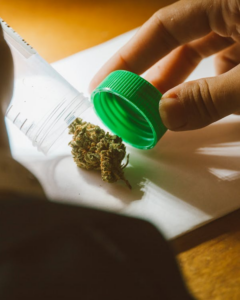
The THCa market has grown at a pace that has, in some cases, outrun the regulatory frameworks designed to govern it. THCa flower sales surged approximately 340 percent since early 2024, attracting a wave of new brands and retailers alongside the established operators who built their reputations on consistent quality. That growth has created a market where product quality and testing standards vary enormously, and where buyers without the tools to evaluate credibility can easily end up with products that do not deliver what their labels promise.
The credibility problem in untested cannabis markets is not theoretical. Research consistently shows that cannabis product labels are not always accurate reflections of actual THC or THCa concentrations. A study published in PubMed Central found significant variability between labeled and actual cannabinoid concentrations across products purchased from legal dispensaries, with permitted variability ranges that can represent meaningful differences in real-world effect. For a buyer choosing between a ten milligram and a twenty milligram product, a labeling inaccuracy within that range changes the experience entirely.
Third-party lab testing addresses this credibility gap directly by subjecting products to independent analysis before they reach the shelf. A certificate of analysis from an ISO-accredited laboratory verifies potency, screens for contaminants, and provides the documented foundation for the claims made on every product label. Without that verification, a label is nothing more than a marketing statement.
What Buyers Are Now Asking For
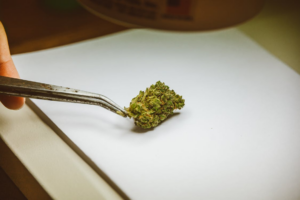
The demographic profile of the THCa buyer has shifted. Early adopters of THCa products skewed toward younger, cannabis-experienced consumers comfortable navigating an emerging and somewhat unregulated market. The current buyer base is considerably broader. Consumers aged 45 to 65 now represent one of the fastest-growing THCa customer segments, attracted to the product category specifically because of its legal clarity, wellness applications, and the quality control standards that the best operators in the market have adopted.
This older and more health-conscious demographic brings different purchasing criteria than early adopters. They are more likely to read labels carefully, more likely to request certificates of analysis before purchasing, and less tolerant of vague or unverifiable product claims. Their presence in the market is raising the baseline quality standard that all THCa retailers must meet, because buyers who approach cannabis through a wellness lens will not accept products that cannot demonstrate what they contain and how they were tested.
The Contamination Risk That Testing Prevents
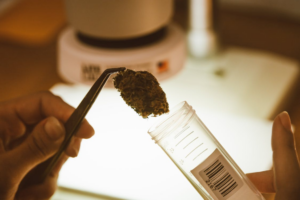
Beyond potency accuracy, lab testing serves a protective function that becomes more important the more regularly a buyer uses THCa products. Contamination from pesticides, heavy metals, residual solvents, mold, and bacteria are all risks present in cannabis products that have not been subjected to rigorous independent testing. These contaminants are invisible to any inspection a buyer can perform themselves and produce no immediately detectable change in the appearance, aroma, or flavor of the product.
The cannabis testing industry itself has faced scrutiny over the reliability of testing results, with some laboratories accused of inflating THCa potency figures or overlooking contaminants in order to compete for business. This reality makes the accreditation and independence of the testing laboratory as important as the existence of testing itself. A certificate of analysis from an ISO/IEC 17025-accredited laboratory provides a meaningfully higher level of assurance than a COA from an unaccredited source, and buyers who understand this distinction are in a significantly better position to evaluate product safety.
How Dispensary Testing Standards Reflect Overall Quality
The testing standards a dispensary maintains for its product selection are one of the most reliable proxies for its overall commitment to quality. Sourcing lab-tested products requires time, cost, and relationships with suppliers who share the same standards. Dispensaries willing to invest in that process are demonstrating, through their purchasing decisions, that they prioritize their customers’ safety over the margin advantages that come with sourcing cheaper, less rigorously tested inventory.
For Houston cannabis buyers evaluating where to shop, asking about a dispensary’s testing requirements before purchasing is a practical and legitimate quality check. A dispensary that makes certificates of analysis easily accessible, explains its sourcing standards clearly, and can speak knowledgeably about the laboratories that tested its products is one that has built its operation around the buyer’s best interest. One that deflects those questions or cannot produce documentation is communicating something equally important.
The Regulatory Environment Is Tightening
The urgency around lab testing is also being shaped by an evolving regulatory environment. Upcoming federal legislation is expected to redefine legal hemp and impose stricter standards on THCa products, including tighter THC concentration caps and more rigorous compliance documentation requirements. Dispensaries that have already built their operations around third-party lab testing will be best positioned to navigate those changes without disruption to their product offerings or their customers.
For buyers, the practical implication is straightforward. Purchasing from dispensaries that already operate to high testing standards is not just a quality decision today. It is a continuity decision that protects against the disruption of sourcing from operators who will be forced to adapt to new standards they have not yet adopted.
Shop Lab-Tested THCa Products at Mademen Dispensary
Every THCa flower, cannabis gummy, and edible at Mademen Dispensary is independently lab-tested for potency and purity so Houston buyers always know exactly what they are getting. Browse the full menu online or contact Mademen Dispensary today for same day cannabis pickup and experience the difference that genuine testing standards make.
